
Is Your Lymphatic System Blocking Your Weight Loss?

Updated: Aug 25

Many people assume stubborn weight gain is simply a matter of calories, willpower, or exercise. But what if the real issue isn’t how much you’re eating or how hard you’re working out but how your body transports and processes fats?
One often overlooked system that plays a powerful role in metabolism, inflammation, and fat storage is the lymphatic system.
In fact, emerging research suggests a sluggish lymphatic system may contribute to stubborn weight loss resistance, particularly around the midsection.
When lymphatic circulation becomes sluggish or the vessels become permeable, the body’s ability to properly move fats, toxins, and immune compounds becomes compromised.
In some cases, dietary fats that should be transported through the lymphatic system can instead leak into surrounding tissues and contribute to fluid retention, inflammation, and stubborn fat accumulation, especially around the midsection.
Most people are familiar with the concept of leaky gut, but fewer realize the lymphatic system can become “leaky” as well. And when leaky lymphatics and leaky gut occur together, the body often shifts into an inflammatory state that promotes fat storage rather than fat burning.
If you feel like you’re doing everything right but the scale refuses to move, it may be worth asking a different question:
Is your lymphatic system blocking your weight loss?
The Lymphatic System’s Role in Fat Metabolism
Research over the last decade has revealed that the lymphatic system plays a much larger role in fat metabolism and weight regulation than previously understood. Scientists have discovered that when lymphatic vessels become damaged or overly permeable, fat molecules can leak into surrounding tissues and promote localized fat accumulation. In fact, studies published in the journal Science Translational Medicine found that impaired lymphatic function can lead to abnormal fat deposition and inflammation in nearby tissues.
This suggests that when lymph flow is compromised, the body may store fat rather than properly metabolize it. Because the intestinal lymphatic network is also closely connected to the digestive system, inflammation in the gut (often referred to as leaky gut) can further disrupt lymphatic integrity. The result can be a cycle of inflammation, impaired fat transport, and stubborn weight accumulation, particularly in the abdominal region.
Emerging research is now exploring how improving lymphatic circulation may help support metabolic health, reduce inflammation, and restore normal fat metabolism.
Why Lymphatic Congestion Often Shows Up as Belly Fat
One of the most common places lymphatic congestion appears is in the abdomen. This is not a coincidence. The digestive tract is surrounded by an extensive lymphatic network responsible for absorbing dietary fats, managing immune responses, and transporting metabolic waste away from tissues.
When lymphatic flow becomes sluggish or vessels become permeable, fats that should be transported through the lymphatic system may instead collect in nearby tissues. Because much of the body’s fat absorption occurs in the small intestine, the surrounding abdominal lymphatic vessels play a major role in transporting those fats and are particularly vulnerable to congestion.
At the same time, inflammation in the digestive tract, often associated with leaky gut, can further disrupt the integrity of nearby lymphatic vessels. This creates a cycle where:
inflammation weakens lymphatic vessels
fats and inflammatory compounds accumulate in tissues
the body shifts toward protective fat storage
The body often stores fat in the visceral abdominal region as a protective response to ongoing inflammation and toxin exposure. Over time, this can show up as persistent midsection weight, bloating, or puffiness that seems resistant to typical calorie restriction or exercise programs.
Supporting lymphatic circulation alongside gut health, hydration, and nutrient balance may help the body restore healthier metabolic signaling and reduce inflammatory fat storage patterns.
The Lymphatic System and Fat Transport

The lymphatic system is often described as the body’s circulatory drainage and filtration network. Unlike blood circulation, it does not have a pump like the heart. Instead, lymph moves through the body with the help of breathing, muscle movement, and gentle pressure changes.
One of the lymphatic system’s key roles is transporting dietary fats.
When fats are absorbed from the digestive tract, they enter specialized lymphatic vessels in the small intestine called lacteals. From there, the fats travel through the lymphatic network and are eventually released into the bloodstream for proper metabolism and use. However, when lymphatic vessels become damaged, inflamed, or overly permeable, this process can break down.
Instead of efficiently transporting fats, they can leak into surrounding tissues and accumulate, particularly in areas like the abdomen, hips, and thighs.
This contributes to the frustrating pattern many people notice:
persistent midsection weight
fluid retention or puffiness
inflammatory belly fat that does not respond to typical dieting
The Connection Between Leaky Lymph and Leaky Gut
In many cases, leaky lymphatic vessels and leaky gut occur together. The digestive tract is surrounded by an extensive lymphatic network that plays a critical role in immune defense and nutrient transport. When the intestinal barrier becomes compromised, inflammatory compounds and bacterial fragments can enter circulation.
This inflammatory load can also impact the nearby lymphatic vessels.
As a result:
the intestinal barrier becomes more permeable
the lymphatic vessels lose structural integrity
immune activation increases
toxins and fats circulate improperly
The body then shifts into a protective metabolic pattern. Instead of efficiently burning fat, it often stores fat as a protective buffer, particularly around the organs in the midsection.
This is one reason why many individuals experience belly weight that seems resistant to calorie reduction alone.
5 Common Signs Your Lymphatic System May Need Support
Because the lymphatic system works quietly in the background, many people don’t realize when it isn’t functioning optimally. Unlike the cardiovascular system, it doesn’t have a pump like the heart, so lymph fluid depends on breathing, movement, and proper tissue health to circulate effectively.
When lymph flow becomes sluggish or congested, the body may begin showing subtle signs that fluid, fats, and metabolic waste are not moving as efficiently as they should.
Here are five common indicators that the lymphatic system may need support.
1. Persistent Belly Fat That Doesn’t Respond to Diet and Exercise
If you are eating well, staying active, and still struggling with stubborn midsection weight, lymphatic congestion may be part of the picture. Because the lymphatic vessels surrounding the digestive tract help transport dietary fats, compromised lymph flow can contribute to fat accumulation in nearby tissues—particularly around the abdomen.
2. Puffiness, Fluid Retention, or Swelling
One of the lymphatic system’s main responsibilities is maintaining fluid balance in the body. When lymph drainage slows down, fluid can accumulate in tissues. This may appear as swelling in the face, abdomen, hands, or legs, or a feeling of heaviness and bloating.
3. Digestive Discomfort or Bloating
The lymphatic system plays an important role in digestion, especially in fat absorption. If lymph flow around the digestive organs becomes impaired, it can contribute to bloating, sluggish digestion, and inflammatory responses in the gut, often overlapping with symptoms associated with leaky gut.
4. Fatigue and Brain Fog
When metabolic waste and inflammatory compounds are not cleared efficiently, the body’s detoxification pathways can become overwhelmed. This can contribute to low energy levels, difficulty concentrating, and a general feeling of sluggishness.
5. Frequent Inflammation or Slow Recovery
A healthy lymphatic system supports immune function and tissue repair. When lymph circulation slows, inflammatory compounds may linger in tissues longer than they should. This can show up as joint discomfort, persistent inflammation, or slower recovery after illness, stress, or intense activity.
When lymph flow improves, many people notice improvements not only in weight balance but also in energy, digestion, and overall resilience.
6 Natural Ways to Help Clear and Support the Lymphatic System
Supporting lymphatic flow does not require extreme measures. The lymphatic system responds best to consistent, gentle stimulation and structural support.
1. Stimulate the Terminus

The terminus is the area near the collarbones where the lymphatic system empties back into the bloodstream. Because this is the final drainage point, opening this region first can help improve lymph movement throughout the body. Gentle tapping or circular massage near the collarbone area can help encourage lymph to begin moving more freely through the system.
2. Activate the Cisterna Chyli

The cisterna chyli is a small lymphatic reservoir located deep in the abdomen. It collects lymph and fats from the digestive tract before sending them upward through the thoracic duct.
Because this structure is closely connected to fat absorption and metabolism, stimulating this area can be particularly supportive when addressing midsection inflammation.
Gentle abdominal massage, rebounding, or mobility work that engages the core can help encourage lymph flow through this region.
3. Practice Diaphragmatic Breathing
The diaphragm plays a powerful role in lymph movement. Each deep breath acts like a natural pump, drawing lymph upward through the thoracic duct and encouraging circulation through the lymphatic channels.
Slow diaphragmatic breathing for several minutes each day can significantly support lymphatic flow and reduce abdominal pressure that contributes to stagnation.
4. Support Groin Drainage Points
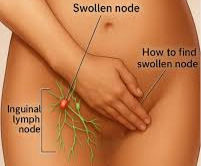
The inguinal lymph nodes in the groin are major drainage centers for the lower body.
If these areas become congested, fluid and lymphatic waste can accumulate in the abdomen, hips, and legs.
Gentle lymphatic massage in the upper thigh and groin area, along with walking or light movement, can help promote better drainage and circulation.
5. Rebounding to Stimulate Lymphatic Flow

One of the most effective and gentle ways to support lymphatic circulation is rebounding, or lightly bouncing on a mini-trampoline. Unlike the circulatory system, the lymphatic system relies on movement and changes in pressure to move lymph fluid throughout the body. Rebounding creates rhythmic changes in gravity and pressure that help encourage lymph to move through its vessels and drainage points.
As you bounce, the brief moments of increased and decreased gravitational force act like a pump for lymph fluid, helping move metabolic waste, toxins, and excess fluid toward the lymph nodes where they can be processed and eliminated. This gentle motion also engages muscles, stimulates circulation, and encourages movement in the deep abdominal lymphatic structures that play a role in fat transport.
Even a few minutes of light rebounding each day can help encourage healthy lymphatic flow. Many people start with 3–5 minutes of gentle bouncing or “health bouncing” (keeping the feet on the mat while lightly lifting the heels) and gradually increase their time as their body adapts.
Regular rebounding can support:
lymphatic drainage and circulation
improved detoxification pathways
reduced fluid retention
better energy and circulation
overall metabolic balance
Because the lymphatic system thrives on consistent movement, incorporating rebounding into your daily routine can be a simple and effective way to help keep lymph fluid moving.
6. Support Microcirculation with BEMER Therapy
Another tool that can support lymphatic health is BEMER therapy, which focuses on improving microcirculation—the movement of blood through the body’s smallest vessels. Healthy microcirculation plays an important role in how oxygen, nutrients, and fluids move through tissues.
When circulation at the capillary level improves, interstitial fluid movement also improves, which can help support the lymphatic system’s ability to collect and transport excess fluid and metabolic waste.
BEMER technology uses a specialized pulsed electromagnetic signal designed to support healthy blood flow in the microvascular system. Because the lymphatic system works closely with the body’s fluid balance and circulation, improving microcirculation may help encourage healthier lymphatic drainage as well.

Supporting microcirculation can contribute to:
improved oxygen delivery to tissues
enhanced nutrient transport
better fluid movement between cells
support for the body’s natural detoxification pathways
healthier lymphatic function
For individuals experiencing fluid retention, sluggish circulation, or inflammatory stress, therapies that support microcirculation may provide an additional layer of support alongside lifestyle practices that stimulate lymphatic movement.
Supporting the Body’s Natural Detox and Metabolic Balance
When the lymphatic system becomes congested or permeable, the body’s ability to manage inflammation, toxins, and fats becomes compromised. Addressing lymphatic flow alongside gut health, hydration, nutrition, and stress regulation can help restore balance to these interconnected systems.
Many individuals discover that once lymphatic circulation improves, energy stabilizes, digestion improves, and stubborn fat becomes easier for the body to release. Your body is always communicating through signals such as fatigue, inflammation, and weight changes. Learning to interpret those signals can reveal the deeper systems asking for support.
When the lymphatic system begins moving again, the body often regains the ability to rebalance naturally. Supporting lymphatic flow is increasingly recognized as an important component of metabolic health, inflammation regulation, and long-term weight management.
A Root-Cause Approach to Metabolic and Inflammatory Wellness

If you are dealing with stubborn midsection weight, chronic inflammation, or fatigue despite your best efforts, it may be time to look deeper at how your body systems are communicating.
Functional wellness approaches evaluate how digestion, detoxification pathways, circulation, and hormonal balance interact.
These patterns often reveal why symptoms persist and where the body needs support most.
If you would like personalized guidance in understanding what your body may be signaling, the first step is scheduling a Baseline Wellness Assessment where we explore your symptoms, health patterns, and metabolic signals and identify the key obstacles that may be standing in the way of your progress.
Medical Disclaimer: This content is for educational purposes only and is not intended to diagnose, treat, or cure any disease. Always consult your healthcare provider regarding medical conditions or changes to your health plan.


This is such an eye-opening perspective. So many people feel frustrated when they’re doing everything “right” and still not seeing results, and this really helps explain why. The connection between the lymphatic system, leaky gut, and stubborn belly fat makes so much sense when you look at how the body actually processes fats and inflammation. I especially appreciated the practical steps for supporting lymphatic flow that are simple, doable, and not overwhelming. This is the kind of information more people need to hear. Thanks Gwen.