
Your Insulin Resistance Is Improving When THIS Happens

Updated: Aug 25

If you have been struggling with stubborn belly fat, cravings, fatigue, elevated blood sugar, or feeling hungry all the time, insulin resistance may be one of the missing pieces.
One of the clearest signs that your metabolism is beginning to shift in the right direction is this:
Your body starts making ketones.
That does not necessarily mean you need to follow an extreme ketogenic diet forever. But it does tell us something very important:
Your body is becoming more metabolically flexible and may be improving its ability to burn stored fat for fuel instead of relying heavily on constant sugar intake.
At Krehbiel Natural Health LLC, I often explain that insulin resistance is not simply about body weight. It is about how well your body responds to insulin, regulates blood sugar, and accesses stored energy.
What Is Insulin Resistance?
Insulin is a hormone that helps move glucose from the bloodstream into the cells where it can be used for energy. When insulin resistance develops, the cells stop responding efficiently. The body compensates by producing more insulin to keep blood sugar under control.
Many people can have insulin resistance for years before blood sugar becomes “high enough” to trigger a diagnosis.
Over time, this may contribute to:
stubborn abdominal weight gain
fatigue after meals
sugar cravings
brain fog
elevated triglycerides
inflammation
hormone imbalance
elevated A1C
difficulty losing weight despite dieting
One Sign Your Insulin Resistance Is Improving: Ketone Production

When insulin levels remain elevated all the time, the body has difficulty accessing stored fat for energy. As insulin sensitivity improves, the body may begin producing ketones. Ketones are molecules produced when the body burns fat for fuel instead of relying primarily on glucose.
This shift may happen during:
anti inflammatory nutrition changes
reduced sugar intake
improved metabolic flexibility
periods between meals
overnight fasting
improved mitochondrial function
structured wellness programs under practitioner guidance
Some people notice:
more stable energy
reduced cravings
improved mental clarity
decreased hunger between meals
easier body composition changes
More ketones are not always better. The goal is metabolic flexibility and improved insulin sensitivity, not extreme restriction or starvation. This does not mean ketones are the only marker that matters. But they can be one sign the body is becoming less dependent on constant glucose intake.
Insulin Resistance Reversal Is About More Than the Scale
Weight alone does not tell the full story.
A person can lose weight and still struggle metabolically. Another person may improve their metabolic health before dramatic scale changes occur. That is why I encourage clients to look at multiple metabolic health markers.
BMI Still Matters, But Context Matters Too
Body Mass Index, or BMI, is not perfect, but it can provide one piece of the picture.
In general:
Under 18.5 = Underweight
18.5 to 24.9 = Green zone
25 to 29.9 = Increased metabolic risk
30+ = Higher metabolic risk

However, BMI should never be used alone. Muscle mass, inflammation, hydration, waist size, and metabolic markers all matter too. This is why tools like the InBody Composition Scan can provide a much more complete picture than body weight alone.
Why Waist to Height Ratio Matters for Insulin Resistance
One of the most overlooked metabolic markers is waist to height ratio.
Research suggests your waist circumference should ideally be less than half your height.
Simple Waist to Height Ratio Formula
The waist-to-height ratio (WHtR) is the waist circumference divided by body height, both measured in the same units. Abdominal inflammation is often one of the earliest visible signs of metabolic stress and hormone imbalance.

For example:
A person who is 68 inches tall would ideally have a waist measurement below 34 inches.
Ratios above 0.5 may suggest increased metabolic and cardiovascular risk.
Excess abdominal fat is strongly associated with:
insulin resistance
inflammation
elevated cortisol
fatty liver patterns
hormone imbalance
Waist measurements often improve before major scale changes happen.
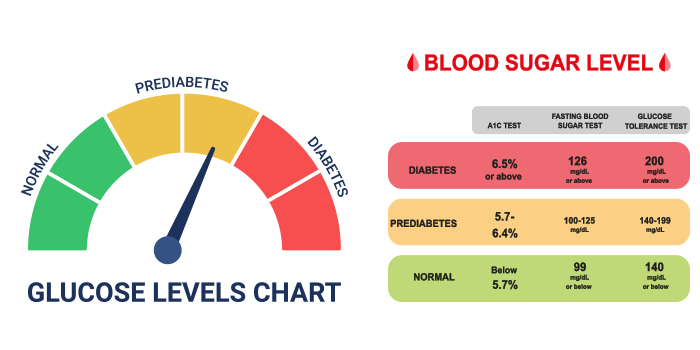
A1C Is Another Important Insulin Resistance Marker
A1C measures average blood sugar levels over roughly 3 months.
Many people are told their labs are “normal” even when they are trending toward metabolic dysfunction. Improving insulin sensitivity may help stabilize A1C levels over time.
General ranges:
Below 5.4% = Often considered optimal
5.5% to 5.6% = Early metabolic concern
5.7% to 6.4% = Prediabetes range
6.5%+ = Diabetes range
What To Watch For Over the Next 30, 60, 90 and 120 Days
More stable energy
Less hunger between meals
Reduced sugar cravings
Smaller waist measurement
Improved sleep
Better focus and mental clarity
Improved body composition
More stable moods
Healthier A1C trends
Better recovery from exercise
These changes often happen gradually. Healing metabolism is not about perfection. It is about helping the body become more efficient and responsive again. Continue tracking your measurements, food intake, hydration, symptoms, and energy levels so we can better evaluate your metabolic progress over time.
A Functional Approach to Metabolic Health
At Krehbiel Natural Health LLC, I take a root cause approach to metabolic dysfunction and insulin resistance.

The Baseline Wellness Assessment includes:
InBody Composition Scan
ZYTO BioScan
foundational urinalysis
BEMER session
personalized wellness roadmap
This helps uncover patterns related to:
inflammation
stress physiology
blood sugar imbalance
hormone dysfunction
metabolic slowing
digestive stress
Your body is speaking. The question is whether you are listening.
If you are ready to better understand your metabolism and create a personalized plan, learn more about the Baseline Wellness Assessment today.
Disclaimer: The information provided in this article is for educational purposes only and is not intended to diagnose, treat, cure, or prevent any disease. Nutritional supplements and wellness programs should be used under the guidance of a qualified health professional. Individual results may vary. Always consult your healthcare provider before beginning any new health program.


I’ve been focusing so much on the scale that I never realized things like my waist measurement, cravings, energy levels, and blood sugar patterns could also show metabolic healing. This article explained insulin resistance in a way that finally made sense to me and helped me feel encouraged that progress is happening even before dramatic weight changes. Definitely worth the read.