
Is Histamine Making Your Allergies Worse?

Updated: Sep 11

Spring and fall allergy seasons can be miserable.
But histamine does more than contribute to seasonal allergy symptoms. It is an important chemical messenger involved in your immune system, digestion, nervous system, and inflammatory response.
For some people, symptoms also seem to show up after certain foods, alcohol, stress, or other triggers.
This is where understanding your histamine bucket can be helpful.
What Is Histamine?
Histamine is a naturally occurring compound produced and stored primarily by immune cells called mast cells and basophils. When your immune system encounters something it perceives as a threat, histamine can be released as part of the body's normal protective response.
That response can contribute to familiar allergy symptoms such as:
Sneezing
Runny or congested nose
Itchy or watery eyes
Skin itching or hives
Histamine also plays normal roles in stomach acid production, communication within the nervous system, and immune function.
So histamine itself is not the enemy.
The issue may arise when the amount of histamine your body is exposed to temporarily exceeds its ability to break it down efficiently.
Think of Histamine Like a Bucket

I like the histamine bucket analogy because it makes a complicated process much easier to understand.
Imagine that your body has a bucket.
Different things can add to that bucket. Seasonal allergens may contribute. Certain foods may contribute. Alcohol may contribute. Your body's own immune response contributes histamine as well.
Your body is continually working to process and clear histamine.
Most of the time, the bucket never overflows.
But when multiple triggers occur at the same time, you may become more symptomatic.
That helps explain why you might tolerate a particular food one week but feel completely different after eating it during peak allergy season.
It may not always be one individual trigger. Sometimes it is the total load.
Seasonal Allergies and Histamine Are Not the Same as Histamine Intolerance
Seasonal allergic rhinitis occurs when your immune system reacts to allergens such as pollen. Histamine is one of the chemical mediators involved in that allergic response.
Histamine intolerance, on the other hand, is a proposed condition in which dietary histamine exceeds an individual's ability to adequately metabolize it.
One enzyme involved in breaking down histamine in the digestive tract is called diamine oxidase, or DAO.
Researchers continue to study histamine intolerance, and there currently isn't one universally accepted laboratory test that can definitively diagnose it. Symptoms can overlap with many other conditions, which is why self diagnosing based on a symptom list isn't ideal.
Possible Signs of Histamine Sensitivity
People who report difficulty tolerating histamine may experience symptoms affecting several areas of the body, including:
Headaches or migraines
Nasal congestion
Flushing
Itching
Hives or skin changes
Digestive discomfort
Bloating
Abdominal discomfort
Diarrhea
Nausea
Reflux
Rapid heartbeat or palpitations
Fatigue
Brain fog
These symptoms do not automatically mean you have histamine intolerance. Many conditions can cause the same symptoms.
Patterns matter. If symptoms consistently appear after particular foods, alcohol, seasonal allergen exposure, or combinations of triggers, that information can be useful when discussing your health with an appropriate healthcare professional.
Histamine Intolerance Is Not the Same as MCAS
Another important distinction is Mast Cell Activation Syndrome, or MCAS.
You may see MCAS discussed frequently online alongside histamine intolerance. Although both involve mast cell mediators such as histamine, they are not the same condition.
MCAS is a medical diagnosis involving recurrent episodes of mast cell activation affecting multiple body systems. Evaluation generally includes characteristic symptoms, objective evidence of increased mast cell mediators during episodes, and an appropriate response to medications targeting those mediators.
Having headaches, digestive problems, allergies, fatigue, or reactions to high histamine foods by themselves does not establish a diagnosis of MCAS.
If your reactions are significant, unpredictable, involve several body systems, or include symptoms such as difficulty breathing, fainting, severe swelling, or signs of anaphylaxis, medical evaluation is important.
What Foods Are High in Histamine?
Histamine levels in foods are more complicated than many online food lists make them appear.
Histamine content can vary considerably depending on how a food was produced, fermented, processed, stored, and handled. Research comparing low histamine diets has found considerable disagreement about exactly which foods need to be eliminated.
Fermented and aged foods are among the most consistently identified sources.
Foods that may be higher in histamine include:
Fermented foods such as sauerkraut, kimchi, kombucha, miso, and soy sauce
Aged cheeses
Cured and processed meats such as salami and some sausages
Fermented alcoholic beverages such as wine and beer
Certain fish, particularly when storage and freshness are concerns
Individual tolerance varies considerably. That is one reason I do not recommend automatically eliminating a huge list of healthy foods simply because an internet chart labels them "high histamine."
Freshness Can Matter
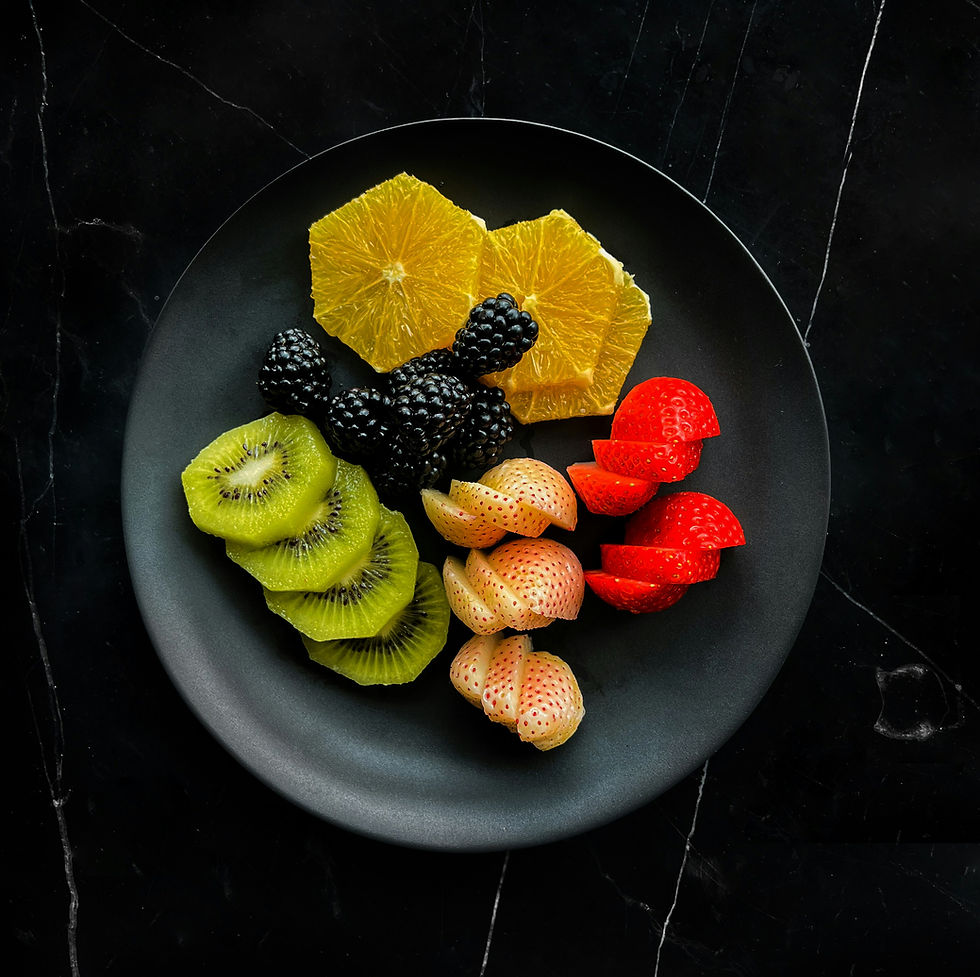
Histamine is produced when certain bacteria convert the amino acid histidine into histamine.
Because of this, food handling and storage
can influence histamine levels in susceptible foods.
If you suspect histamine sensitivity, simple habits may be worth exploring:
Choose fresh foods when possible.
Refrigerate perishable foods promptly.
Freeze portions you will not eat soon.
Pay attention to whether older leftovers consistently bother you.
Cook with an instant pot and not a crcokpot.
Notice whether fermented, cured, or aged foods produce symptoms.
The goal isn't to become afraid of food. The goal is to identify your patterns.
Should You Try a Low Histamine Diet?
A short, structured reduction in higher histamine foods followed by careful reintroduction may be useful for some people.
What I don't recommend is putting yourself on an extremely restrictive low histamine diet indefinitely.
Research continues to show considerable variation among published low histamine food lists, and unnecessarily restrictive diets can make it harder to obtain adequate nutrition and create unnecessary anxiety around eating.
Instead, think of dietary changes as an investigation: Reduce. Observe. Reintroduce. Learn.
A food and symptom journal can be particularly helpful because it allows you to look for patterns rather than relying on memory.
What About DAO Supplements?
You may also encounter supplements containing diamine oxidase (DAO) marketed for histamine intolerance.
DAO is one of the primary enzymes responsible for breaking down dietary histamine within the intestinal tract.
Early research suggests supplemental DAO may help some people with suspected histamine intolerance, but the evidence is still developing. It isn't a universal solution, and it doesn't address every possible reason someone might be experiencing allergy like or histamine related symptoms.
This is another area where individualized support makes more sense than simply adding another supplement.
Nutrients and Botanicals That May Support a Healthy Histamine Response
Several nutrients and botanicals are commonly used to support normal immune and inflammatory responses.
Quercetin
Quercetin is a plant flavonoid naturally found in foods such as onions, apples, broccoli, and asparagus. It has been studied for its antioxidant properties and its role in normal inflammatory and immune responses.
Stinging Nettle
Stinging nettle has a long history of traditional use for seasonal wellness and respiratory support. Nettle tea can also be an easy way to incorporate the plant into your routine.
N Acetyl Cysteine
N acetyl cysteine, commonly called NAC, provides cysteine used by the body to produce glutathione. It is often used to support antioxidant defenses and respiratory health.
Magnesium
Magnesium isn't an antihistamine, but it is an essential mineral involved in hundreds of processes throughout the body, including normal nervous system, muscle, and cellular function.
The important point is this: More supplements are not always the answer. The right support depends on the person, their medications, health history, diet, symptoms, and what else may be contributing.
Don't Forget the Bigger Picture
If you're constantly focusing on histamine but never asking why your bucket seems to fill so easily, you may be missing useful information.
I like to zoom out and look at the entire wellness picture.
That may include:
Digestive health
Food quality and variety
Blood sugar stability
Hydration
Sleep
Stress and nervous system regulation
Nutrient status
Environmental exposures
Seasonal allergen exposure
Overall inflammatory load
Medications and supplements
Food and symptom patterns
Sometimes the most useful question isn't: "What supplement lowers histamine?"
It is: "What patterns are making my body work harder right now?"
When Antihistamines Aren't Enough

Antihistamines can be useful medications for many people with allergies, and needing them does not mean you've failed to address your health naturally.
If seasonal allergy symptoms remain significant despite treatment, talk with your healthcare provider. Other evidence based treatments for allergic rhinitis are available, and allergy testing or evaluation by an allergist may be appropriate.
Likewise, don't discontinue medications or substitute supplements for prescribed treatment without discussing it with your healthcare professional.
Stop Guessing and Start Gathering Information
When you're dealing with allergies, digestive symptoms, headaches, fatigue, food reactions, or inflammation, it can be tempting to chase each symptom separately.
At Krehbiel Natural Health, I prefer to start by looking at the bigger picture.
My Baseline Wellness Assessment is a 90 minute in person assessment designed to help us gather information about your current wellness patterns and determine where it makes sense to focus first.
Your assessment includes:

ZYTO Balance Bioscan
InBody 380 Body Composition Analysis
10 marker urinalysis
Symptom and lifestyle review
Nutrition and habit assessment
20 minute BEMER Micro-circulation Therapy session
Personalized wellness roadmap
A ZYTO scan does not diagnose allergies, histamine intolerance, MCAS, or disease. Instead, it provides additional wellness information that I consider alongside your symptoms, habits, nutrition, body composition, and other findings.
Because your symptoms rarely exist in isolation.
Your Body is Speaking. Are You Listening?
If you've been trying to manage symptoms one at a time and still feel like you're missing part of the picture, the Baseline Wellness Assessment is a good place to begin.
References
American Academy of Allergy, Asthma & Immunology. Mast Cell Activation Syndrome: Evaluation and Diagnosis.
Hauk L. Treatment of Seasonal Allergic Rhinitis: A Guideline from the AAAAI/ACAAI Joint Task Force on Practice Parameters. American Family Physician.
Jackson K, et al. Evidence for Dietary Management of Histamine Intolerance. International Journal of Molecular Sciences. 2025.
Sánchez Pérez S, et al. Low Histamine Diets: Is the Exclusion of Foods Justified by Their Histamine Content? Nutrients. 2021.
San Mauro Martin I, et al. Histamine Intolerance and Dietary Management: A Complete Review. Allergologia et Immunopathologia.
Medical disclaimer: This information is not intended or implied to be a substitute for professional medical advice, diagnosis or treatment. Never disregard professional medical advice or delay seeking medical treatment. Medical conditions require medical care.


Great article. I can personally tell you that histamine levels can get better. Gwen's article is spot on with the content and supplement suggestions and the ZYTO food scan really hones in on the missing puzzle pieces.